Suspension problems change more than ride comfort. A car with worn shocks, tired bushings, or loose front-end parts can still get down the road, but it will not feel planted, predictable, or as stable as it should. You may notice the rougher ride first and miss the bigger issue underneath.
The suspension helps keep the tires pressed to the road. Once that control starts slipping, tire wear, steering response, and safety all move in the wrong direction together.
Why The Suspension Does More Than Soak Up Bumps
A healthy suspension keeps the body controlled while letting the tires follow the road cleanly. That affects braking, cornering, lane changes, and how the car reacts to uneven pavement. Shocks, struts, springs, bushings, ball joints, and links all play a role in that balance.
When one part starts to wear out, the problem does not remain isolated for long. The vehicle may bounce more, wander more, and put extra stress on the tires at the same time.
How Worn Suspension Parts Damage Tires
Tires wear best when they stay planted evenly and roll at the proper angle. Worn suspension parts interfere with that. A weak shock can let the tire bounce instead of staying pressed to the pavement, while a worn bushing or loose steering part can let the wheel move more than it should.
That is how strange tread patterns begin. Cupping, feathering, edge wear, and uneven wear across one tire can all point to suspension trouble rather than a bad tire alone. A new set of tires will not last the way it should if the parts controlling them are already worn out.
What Drivers Usually Feel In The Steering And Handling
Handling changes tend to show up before some drivers realize the suspension is the cause. The car may feel loose at highway speed, less settled in turns, or slower to respond when the steering wheel is turned. Some vehicles start drifting more on grooved pavement or feel less confident during quick lane changes.
A few common clues show up again and again:
- The car bounces longer after dips or speed bumps
- The steering feels loose or less precise
- The vehicle leans more in turns
- One or more tires are wearing unevenly
Any one of those signs is enough reason to schedule an inspection. Put together, they usually point to suspension wear that is already affecting how the car drives every day.
Why Safety Starts Changing Before Drivers Realize It
A worn suspension not only makes the ride annoying but can also cause damage. It can reduce tire grip during braking and cornering, especially on wet roads or rough pavement. If the tires are not staying planted evenly, the car takes longer to settle and longer to respond when you need it to.
That is where safety comes into play. Braking distance can grow, emergency maneuvers can feel less controlled, and the vehicle can become harder to trust in situations where a quick, stable response counts most.
Noise And Ride Changes Are Early Warnings
Most suspension problems announce themselves through sound before the driver connects them to tire wear or handling. Clunks over bumps, rattles on broken pavement, squeaks at low speed, or a rough, unsettled ride all point toward parts that are no longer supporting the car the way they should.
Drivers sometimes gradually get used to those changes. What felt annoying a month ago is becoming the new normal. That is one reason regular maintenance helps so much here. An inspection can catch the worn part before it starts chewing through tires or affecting more of the steering and suspension system.
Why Waiting Gets More Expensive
Suspension wear spreads. A weak shock puts more strain on the tire. A loose front-end part changes alignment angles. Bad tire wear then makes the whole car feel even rougher and less stable. The longer the cycle continues, the more likely it is that one repair will grow into several.
That is why it pays to deal with suspension issues early. A focused repair and an alignment cost a lot less than suspension work, plus an early set of replacement tires and a car that still does not feel right afterward.
When It Is Time To Have It Checked
You do not need to wait for the car to feel unsafe. If the ride has grown rougher, the steering feels less sharp, the body moves too much after bumps, or the tires are wearing oddly, the suspension deserves attention now. Those are the signs that the car has already started changing in ways that affect both comfort and control.
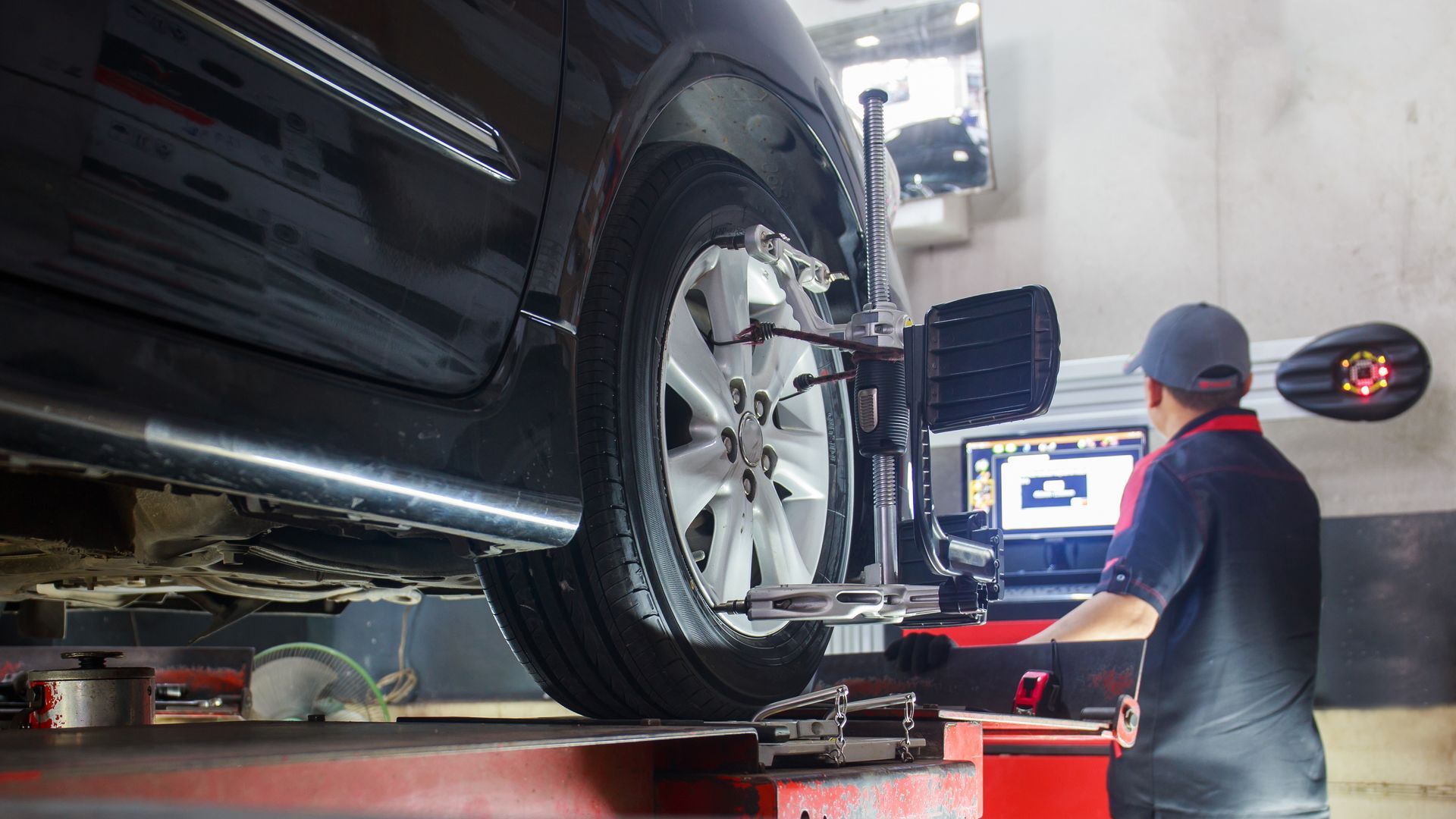
A good inspection should look at shocks, struts, bushings, joints, links, and tire wear together. That gives a much clearer answer than replacing tires and hoping the handling improves on its own.
Get Suspension Repair In Laurel, MD, With Allstar Automotive
If your car feels rough, loose, or less stable than it used to, Allstar Automotive in Laurel, MD, can inspect the suspension, check the tire wear pattern, and help you correct the problem before it spreads further.
Bring it in while the repair is still easier to manage and before suspension wear shortens your tire's life.