Wheel alignment is one of those services drivers hear about often, but the timing can be confusing. You get new tires, and someone recommends an alignment. You replace suspension parts, and alignment comes up again. Then you start wondering whether it is truly needed every time, or just another item on the bill.
The honest answer depends on what was repaired, how the old tires wore, and how the vehicle drives afterward. An alignment is not automatically required after every small repair, but there are plenty of times when skipping it can shorten tire life, affect steering, and make a good repair feel incomplete.
Why Alignment Matters After New Tires
New tires are a good investment, and alignment helps protect that investment. If the wheels are not set to the correct angles, the new tread can start wearing unevenly almost right away. Inner-edge wear, feathering, and one tire wearing faster than the others can all happen when alignment is off.
The frustrating part is that new tires can hide the problem at first. Fresh tread may make the car feel better for a little while, even if the alignment is still wrong. A few thousand miles later, the wear pattern starts showing. By then, the damage to the new tires may already be permanent.
When Alignment Is Smart After Repairs
Some repairs directly affect alignment angles. If those parts are replaced or adjusted, the vehicle should usually be aligned afterward. The steering and suspension parts hold the wheels in position, so changing them can affect how the tires meet the road.
Alignment is usually recommended after repairs involving:
- Tie rods
- Control arms
- Ball joints
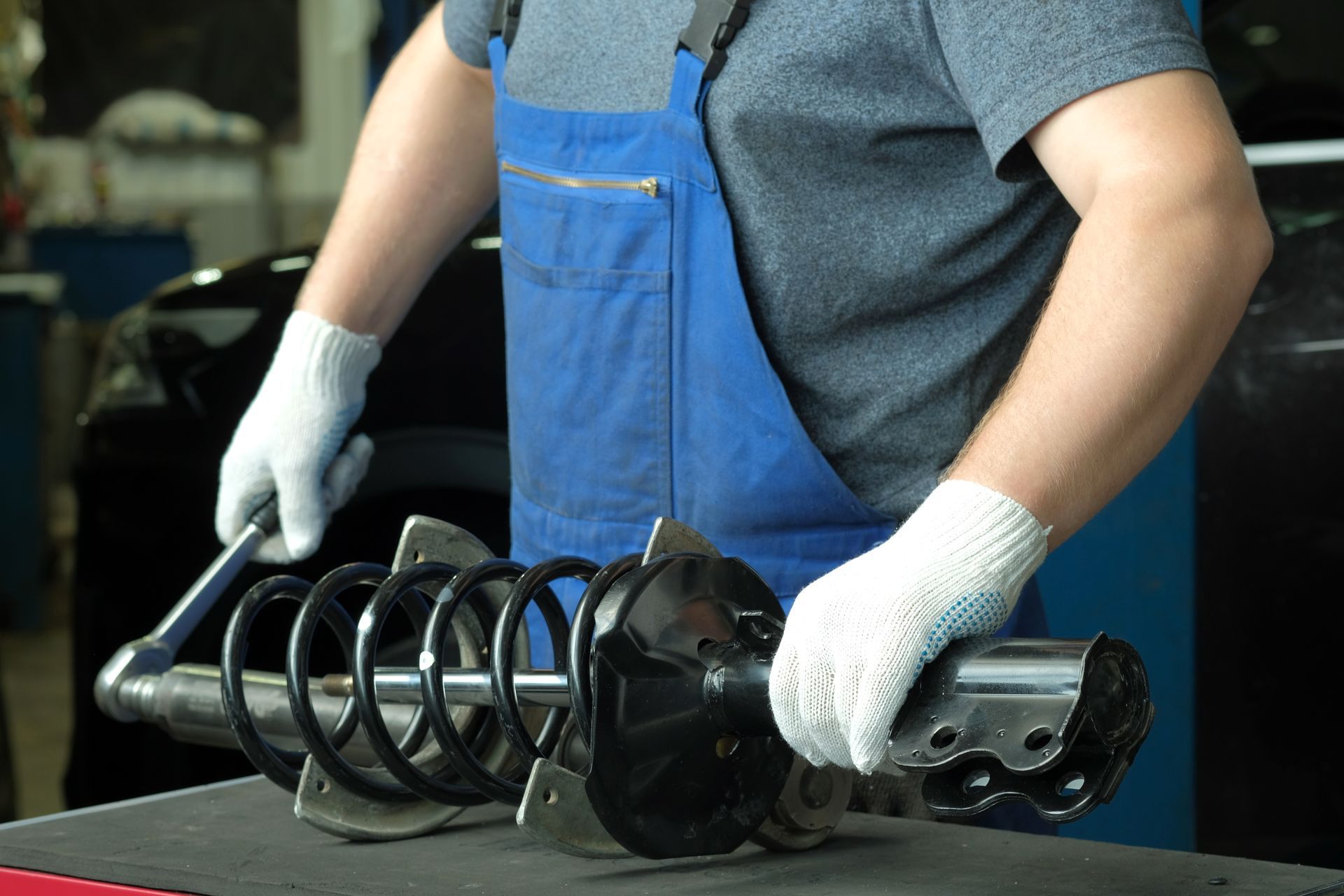
- Struts
- Steering racks
- Sway bar links, if related parts were disturbed
- Wheel bearings or hubs on some vehicles
- Suspension bushings
- Subframe adjustments
- Ride height changes
That does not mean every repair on the car needs an alignment. Replacing a battery, air filter, brake pads, or light bulb has nothing to do with wheel angles. But when steering or suspension geometry is affected, alignment becomes part of finishing the repair correctly.
When You May Not Need One Right Away
There are times when a wheel alignment may not be necessary. If the tires are wearing evenly, the steering wheel is centered, the car drives straight, and no steering or suspension parts are replaced, an alignment may not be urgent.
For example, replacing two tires because the old ones were worn evenly from normal mileage may not always mean the alignment is off. Still, it is worth checking the old tire wear pattern before deciding. If the removed tires had edge wear, cupping, feathering, or uneven tread depth, the new tires should not be installed and forgotten.
Signs Your Car Needs Alignment
Even if you did not just buy tires or complete repairs, the vehicle may still show signs of an alignment issue. Some are easy to notice. Others build slowly enough that drivers get used to them.
Watch for signs like these:
- The vehicle pulls left or right
- The steering wheel sits crooked
- Tires wear on one edge
- The car wanders at highway speeds
- The steering feels loose or nervous
- Tires squeal during normal turns
- You recently hit a pothole or curb
- New tires are wearing faster than expected
These symptoms can point to alignment issues, but they can also indicate tire pressure, tire balance, worn suspension parts, brake drag, or damaged wheels. A proper inspection helps separate alignment from the other possible causes.
Why Alignment Should Follow Certain Suspension Repairs
Suspension repairs can change the position of the wheels even when the new part fits perfectly. A new control arm, tie rod, strut, or ball joint may restore the vehicle to a safer condition, but the wheel angles still need to be set correctly afterward.
Skipping alignment after these repairs can leave the car pulling, the steering wheel off-center, or the tires wearing unevenly. It can also make the repair feel less effective than it really was. The worn part may be fixed, but the vehicle still will not drive correctly if the angles are not adjusted.
Tire Balance Is Not The Same Thing
Drivers sometimes ask for balancing when they really need alignment, or vice versa. Tire balance corrects how the tire and wheel spin. A balance problem usually causes vibration at certain speeds.
Alignment corrects wheel angles. An alignment problem usually causes pulling, crooked steering, wandering, or uneven tire wear. A car can need both, especially after new tires are installed, but one service does not replace the other. If the car shakes and pulls, the tires, wheels, steering, suspension, balance, and alignment all deserve a look.
How Alignment Fits Into Regular Maintenance
Alignment is not something most drivers need every month, but it should be part of regular maintenance planning. Tire rotations, brake checks, suspension checks, and oil service visits are good times to look at tire wear and steering feel. If the tread is starting to wear unevenly, catching it early can save the tires.
A vehicle can also get knocked out of alignment by normal driving around rough roads, potholes, curbs, and construction areas. You may not remember one big impact. Several smaller hits can still add up. Checking alignment when symptoms appear is much cheaper than replacing tires early.
Get Wheel Alignment In Laurel, MD, With Allstar Automotive
If you recently bought new tires, had steering or suspension repairs, hit a pothole, or noticed pulling, crooked steering, or uneven tire wear, Allstar Automotive in Laurel, MD, can check the alignment and related parts.
For wheel alignment service to help protect your tires and for repair work,
contact us to schedule an appointment.