A vehicle can remain dependable well beyond the mileage many drivers expect, but longevity is rarely the result of luck. Engines, transmissions, cooling systems, brakes, and suspension parts all experience heat, friction, pressure, and vibration whenever the car is driven. Maintenance helps control that wear before it creates a larger failure.
The goal is not to replace every aging part early. It is to keep fluids clean, catch leaks, monitor wear, and address small changes before they affect connected systems. A well-planned service history can help the vehicle start reliably, maintain performance, and avoid damage that shortens its useful life.
Clean Engine Oil Protects Internal Parts
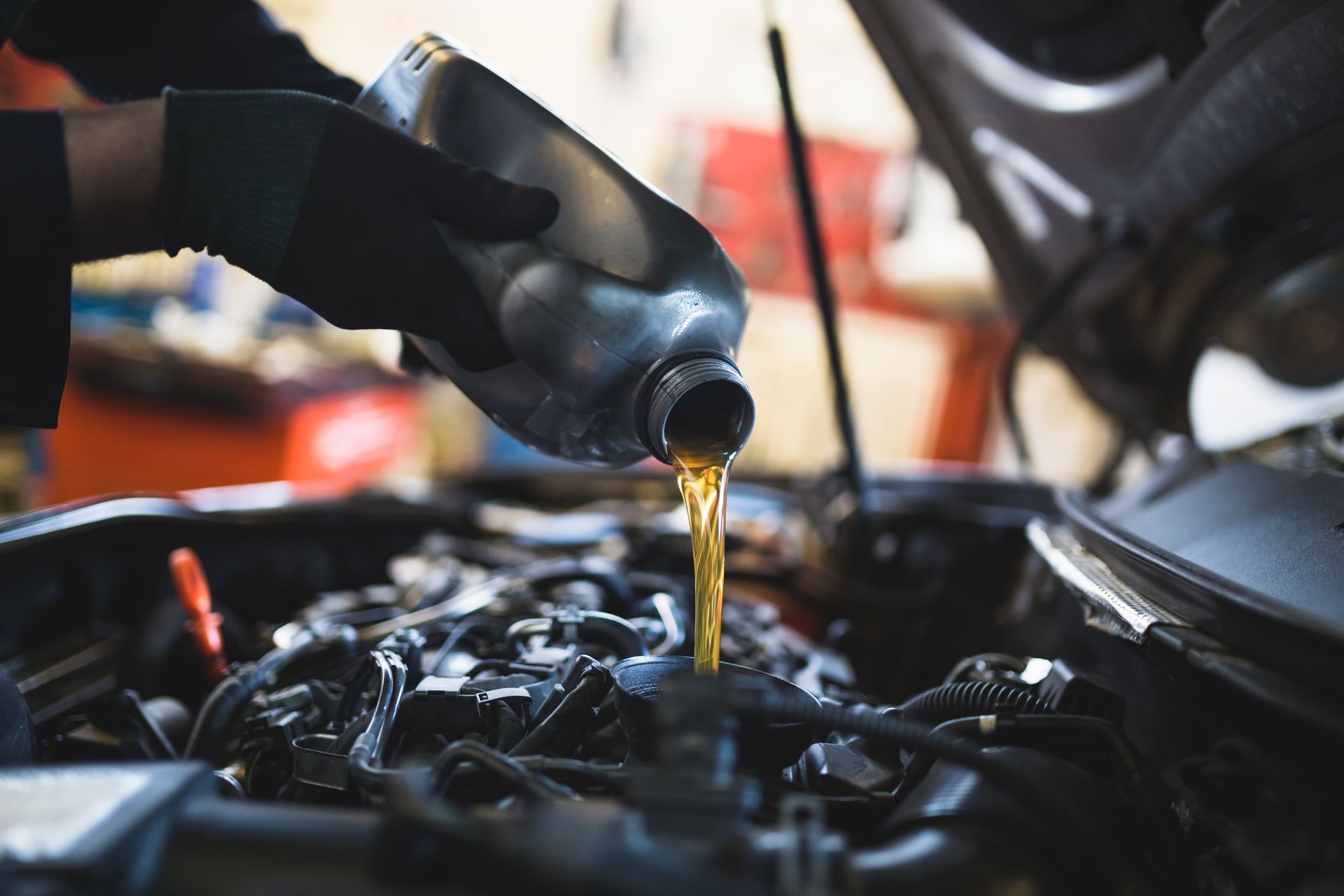
Engine oil forms a protective layer between bearings, camshafts, pistons, timing components, and other moving surfaces. It also carries heat and contamination away from critical areas. Over time, the oil collects carbon, moisture, fuel residue, and particles created through normal engine operation.
If oil remains in service too long, its additives weaken, and deposits can form inside small passages. Low oil creates an even greater risk because some components may not receive enough lubrication. Using the correct oil specification, changing the filter, and checking the level between services can help prevent accelerated internal wear.
Cooling System Care Helps Prevent Overheating
The cooling system regulates engine temperature through the coolant, radiator, water pump, thermostat, hoses, reservoir, and electric fans. A small leak or weak component may not cause immediate trouble during a short drive, but it can become much more serious in traffic or hot weather.
Coolant also protects internal surfaces from corrosion. As it ages, that protection becomes weaker. Checking the level, fluid condition, hose connections, radiator seams, and fan operation can reveal concerns before the engine overheats. Severe heat can damage cylinder heads, gaskets, seals, and other expensive engine parts.
Transmission Service Supports Consistent Shifting
Automatic transmission fluid lubricates internal components, creates hydraulic pressure, and removes heat. As the fluid ages, it can lose the characteristics needed for proper clutch operation and pressure control. Low fluid can cause delayed engagement, slipping, harsh shifts, or overheating.
Many modern vehicles have no transmission dipstick, so the level must be checked through a service procedure at a specific temperature. The correct fluid is also essential because transmissions are designed around particular additives and friction properties. Regular maintenance can help identify leaks and worn fluid before shifting problems become severe.
Brake And Tire Care Protects More Than Safety
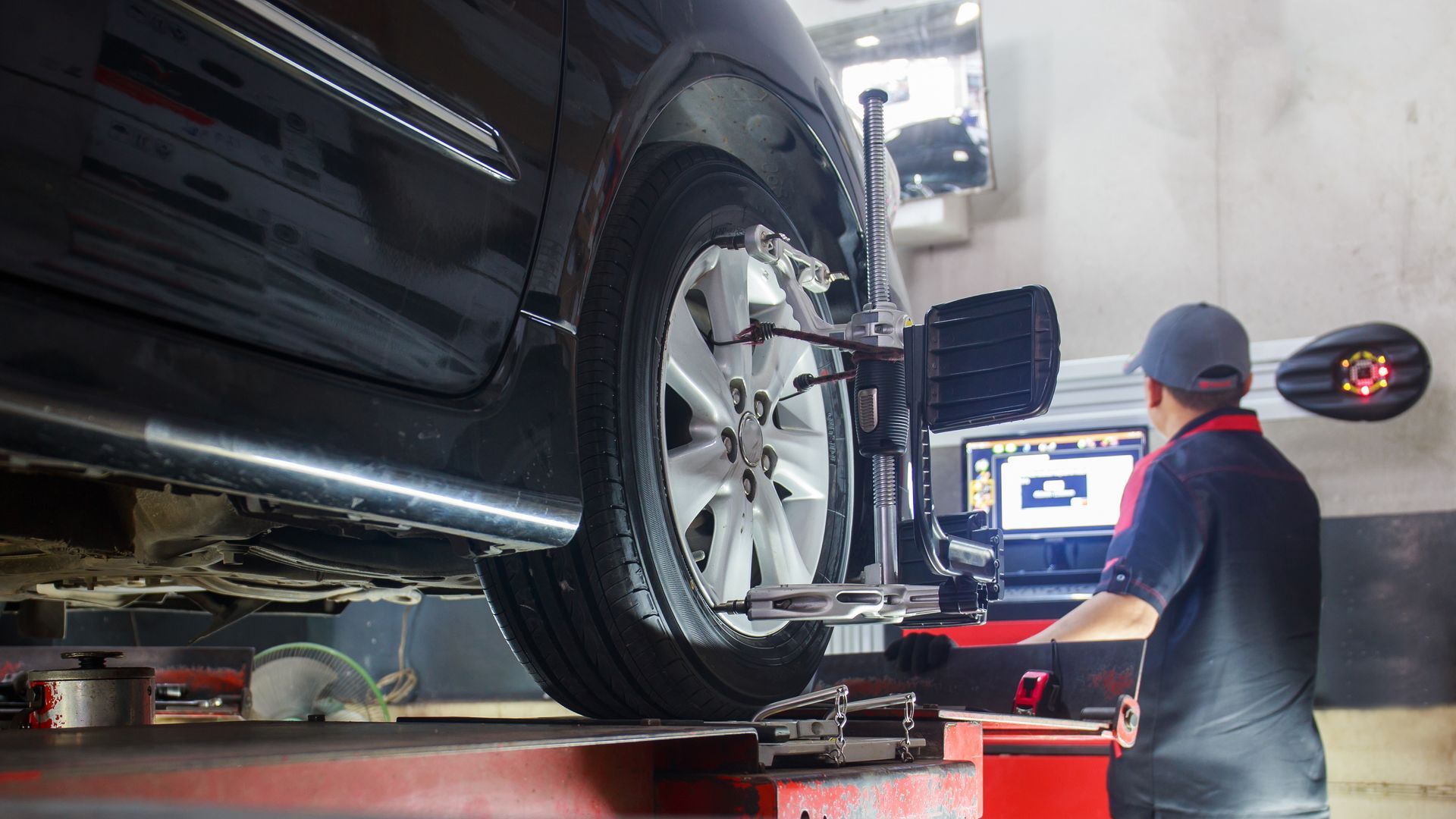
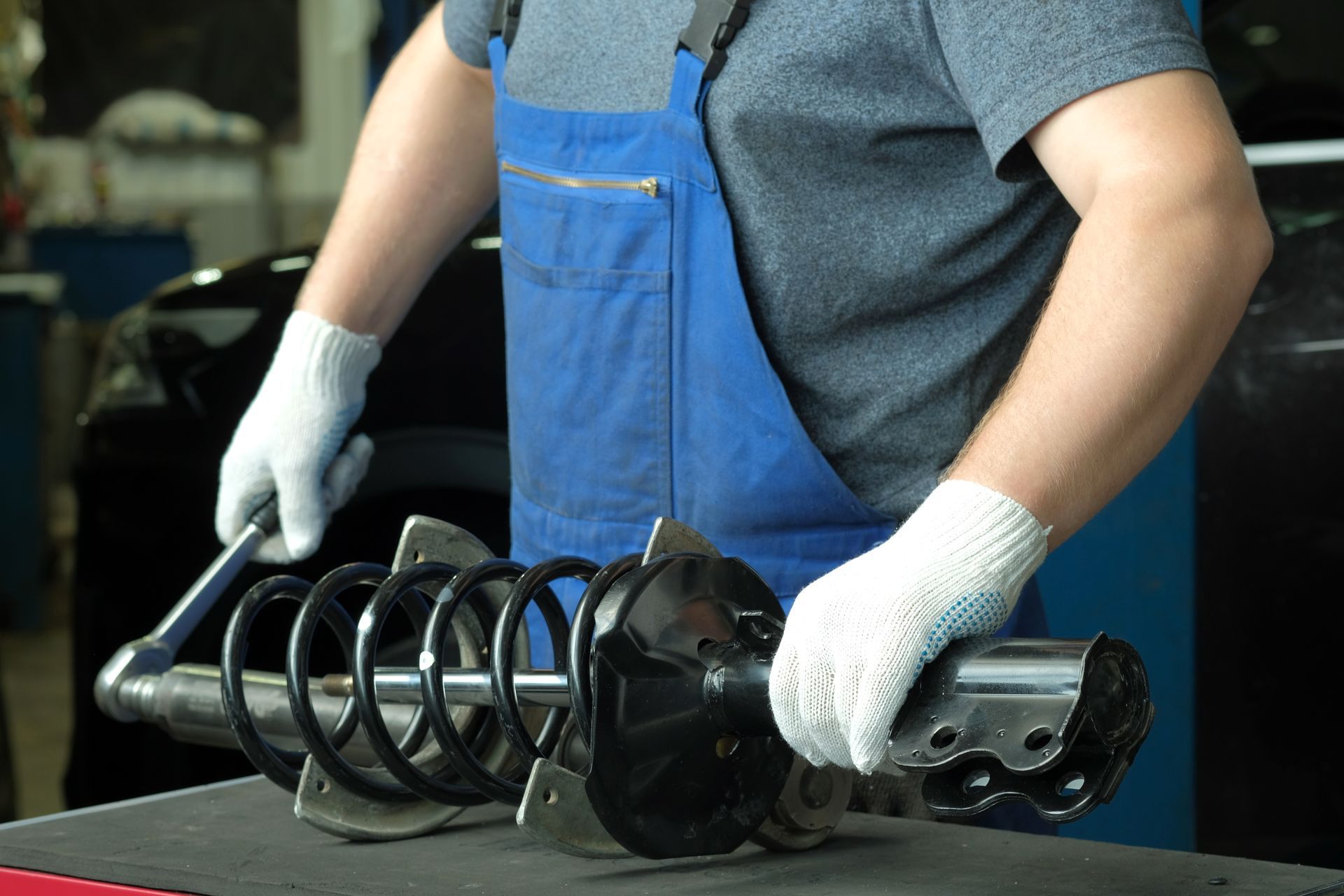
Brake pads, rotors, calipers, tires, wheel bearings, and suspension parts all affect how the vehicle stops and handles. Worn pads may continue working until the friction material becomes extremely thin, but waiting for grinding can damage the rotors and create excess heat around the wheel.
Tires also provide clues about the vehicle’s condition. Cupping can point to weak shocks or poor balance, while edge wear may indicate alignment issues or loose steering parts. Checking tire pressure, tread, brake wear, and suspension movement helps protect connected components while preserving predictable control.
Filters Help Keep Contamination Out
The engine air filter keeps dust, leaves, insects, and road debris away from the intake. A clogged filter can restrict airflow, while a torn or poorly fitted filter may allow abrasive material to reach the airflow sensor, throttle body, turbocharger, or engine.
Fuel, oil, and cabin filters also have important jobs. Fuel filters protect pumps and injectors, oil filters remove particles from circulating oil, and cabin filters support heating and A/C airflow. Replacement intervals vary, so the vehicle’s schedule, driving conditions, and actual filter condition should guide service decisions.
Belts, Hoses, And Rubber Parts Need Attention
Rubber components deal with years of heat, vibration, pressure, and exposure to automotive fluids. Serpentine belts can crack, glaze, fray, or lose sections of their ribs. Coolant hoses may soften, swell, or weaken near their clamps and connections.
A broken belt can stop the alternator and other accessories. On some engines, it can also stop the water pump and cause rapid overheating. A split hose may release coolant quickly. An inspection can find aging rubber, weak tensioners, and rough pulleys before one of these parts causes a roadside breakdown.
Early Diagnosis Can Limit Secondary Damage
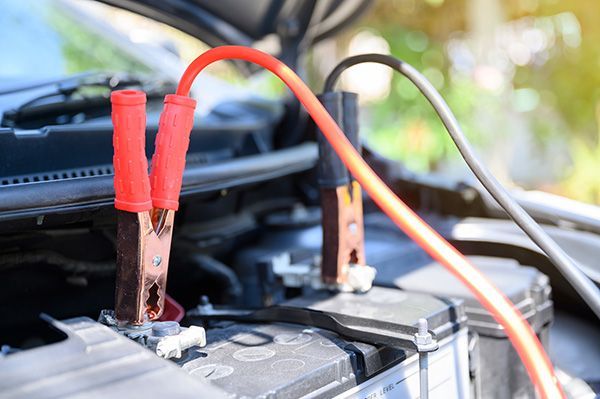
New noises, smells, warning lights, fluid spots, and changes in performance are useful signs that something has changed. A minor oil leak can damage a belt, a misfire can overheat the catalytic converter, and a weak battery can create confusing electronic warnings across several systems.
Addressing the original concern early can reduce the number of parts affected. Service records also help technicians see patterns, identify overdue items, and avoid repeating work. The more complete the history, the easier it is to build a practical plan around the vehicle’s age, mileage, and daily use.
Get Auto Maintenance In Laurel, MD, With Allstar Automotive
Allstar Automotive in Laurel, MD, can service your engine oil, cooling system, transmission, brakes, tires, filters, battery, belts, hoses, and suspension components.